House Clearance Mottingham: Recycling and Sustainability Commitment
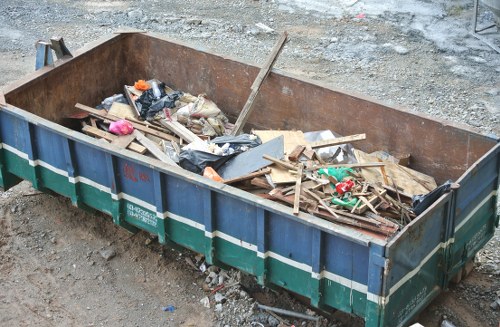 House Clearance Mottingham is committed to creating an eco-friendly waste disposal area and a genuinely sustainable rubbish area for every clearance project. Our local clearance teams work to maximise reuse, minimise landfill and track diversion rates closely. We approach each property with a clear environmental plan that identifies items for donation, materials for recycling and components suitable for refurbishment, with the aim of keeping as much as possible in active use rather than disposing of it.
Working across Mottingham and neighbouring wards, our Mottingham house clearance service aligns with the boroughs' approach to waste separation: separate food and garden waste streams where available, designated mixed recycling collections and dedicated routes for bulky and hazardous items. We respect local policies from both the London Borough of Bromley and the Royal Borough of Greenwich and coordinate with their systems to ensure correct sorting and handover at every stage of a clearance.
 Our recycling percentage target is an ambitious but realistic core measure: we aim for 70% recycling and reuse of all non-hazardous material recovered from house clearances within the next two years, and a longer-term target of 85% by 2030. To reach this goal we track outcomes, report diversion rates per job and continually refine our recovery pathways. Key actions include prioritising salvage and donation, separating timber, metals, WEEE, textiles and ceramics at source, and engaging specialist processors for items that require bespoke handling.
Local Transfer Stations and Waste Handling
We use a network of local transfer stations and Materials Recovery Facilities (MRFs) that serve South East London and surrounding areas to process separated streams from clearances. These include borough-operated transfer points and regional MRFs that specialise in glass, paper, plastic, metals and construction-related debris. By routing materials to the correct local transfer station, we reduce haulage distance and ensure materials enter the appropriate recycling stream quickly.
When handling household items we differentiate between:
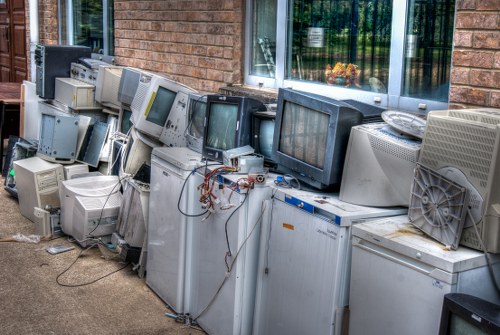
- Electronics and WEEE sent to certified processors
- Metals and white goods recovered for metal recycling
- Textiles and soft furnishings directed to reuse networks or textile recyclers
Partnerships with Charities and Social Enterprises
We maintain active partnerships with local charities, hospice shops and social enterprises to ensure that reusable household goods, furniture and appliances are offered for donation first. Collaborations include national charitable networks and community projects that run furniture reuse programmes and employ local people to refurbish items for resale. These partnerships are a core part of how Mottingham clearance services contribute to the circular economy: items that are still in useable condition are diverted from the waste stream and given a second life in the community.Low-Carbon Vans and Fleet Management
Our transport approach combines low-emission vehicles, route optimisation and telematics to cut carbon from every job. We operate a growing fleet of low-carbon vans including battery-electric models and the latest Euro 6 hybrid vehicles for heavier loads. Vehicle choice is matched to job needs to avoid unnecessary trips and to concentrate multiple clearances into efficient rounds, reducing fuel use and emissions across Mottingham and the wider borough.
 Operational practices also focus on minimising waste generation: materials are processed locally where possible, bulky items are consolidated for onward reuse, and materials that cannot be reused are taken to authorised recycling facilities. We use clear labelling and portable sorting zones on site so teams can separate streams during collection, preventing cross-contamination and improving recovery rates.
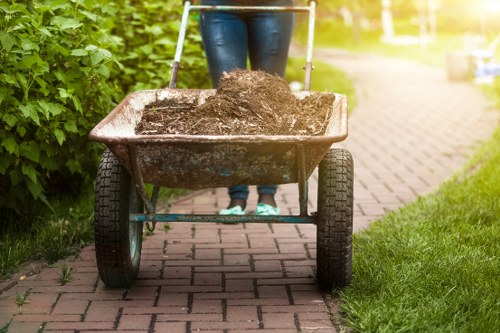 Types of recycling activity we handle regularly include WEEE (white goods and electronics), metals, textiles, timber and wood sub-streams, inert construction waste, and soft furnishings. In line with borough policies that encourage separate food and garden waste collections alongside mixed dry recycling, we make sure green waste and compostable materials are diverted appropriately when these are produced as part of a clearance.
Measuring Success and Transparency
We publish internal diversion metrics and report progress against our recycling targets: job-level recovery percentages, tonnes diverted from landfill and the proportion of material reused via charitable partners. These metrics inform continuous improvement and allow our Mottingham clearance teams to identify where further training or process adjustment is needed to hit and exceed our targets.
Community and Environmental Benefits are tangible: reduced landfill pressure, fewer carbon emissions from transport, more items reused locally and financial support to charity shops and social enterprises through donated goods. Our sustainable rubbish area approach emphasises repair, resale and resource recovery as first options before any disposal is considered.
In summary, whether you search for "house clearance in Mottingham", "Mottingham house clearing" or House Clearance Mottingham, our sustainable model is simple: prioritise reuse, separate at source, work with local transfer stations and charities, and operate a low-carbon fleet. This integrated approach builds a more resilient, eco-friendly waste disposal area for Mottingham and helps protect local neighbourhoods and the wider environment for the future.